
- -€8.00
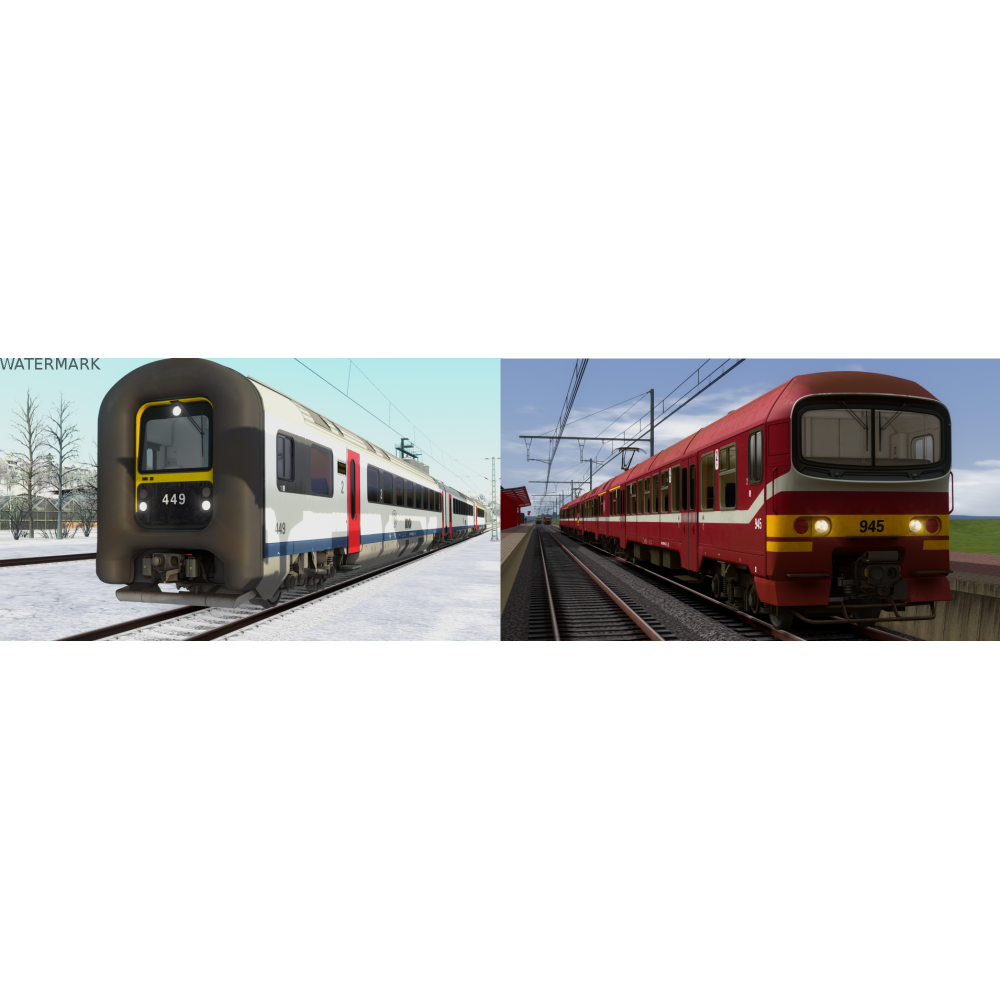
SKTRAINS EMU package
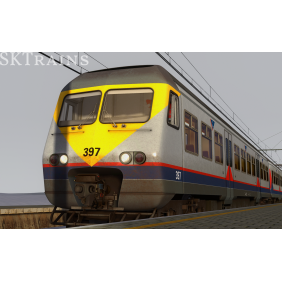
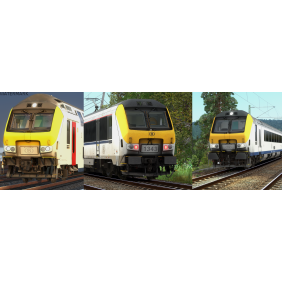
This pack contains 2 electic motor unit and a livery pack.
Contents of the pack:
- AM96
- AM96 livery pack
- AM86
€22.00
Tax included
 Security policy
Secure payment via mollie
Customers who bought this product also bought:
SKTRAINS HLE11-12-21-27...
Price
€50.00
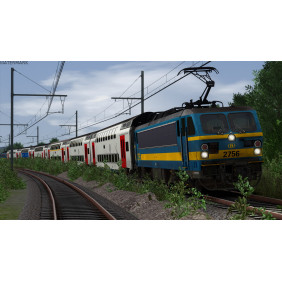
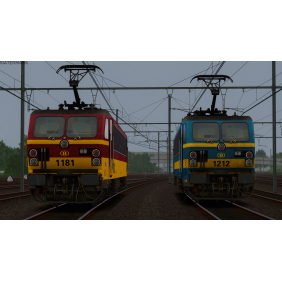
The series 21 locomotives (SNCB) are electric locomotives of the Belgian Railways (SNCB) equipped with thyristor choppers to modulate the power at start-up. They are technically very similar to the class 27, but with a lower power.
The series 11 and 12 locomotives are directly derived from these locomotives, and have the necessary equipment (for signalling and electrical voltage) to operate in the Netherlands and France respectively.
SKTRAINS HVI10
Price
€10.00
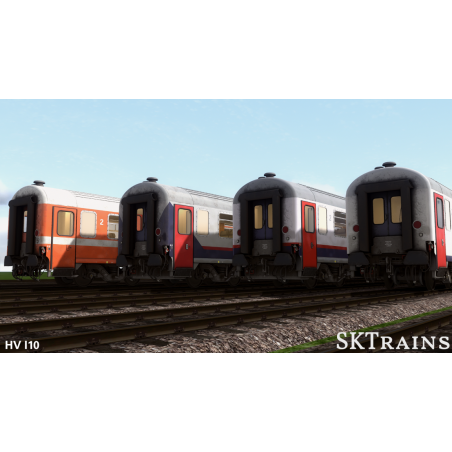
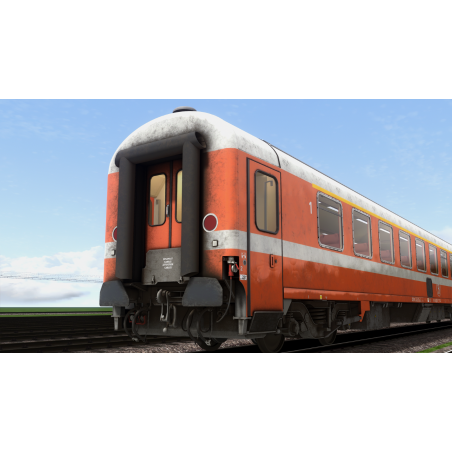
SNCB I10 coaches for Train Simulator 2021 of DTG. More than 35 variants and 12 versions.
- -30%
SKTRAINS HLE11-12
Price
€17.50
Regular price
€25.00
-30%
The series 11 and 12 locomotives are directly derived from these locomotives, and have the necessary equipment (for signalling and electrical voltage) to operate in the Netherlands and France respectively.
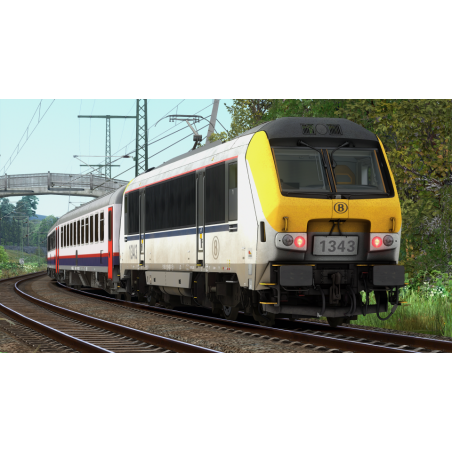
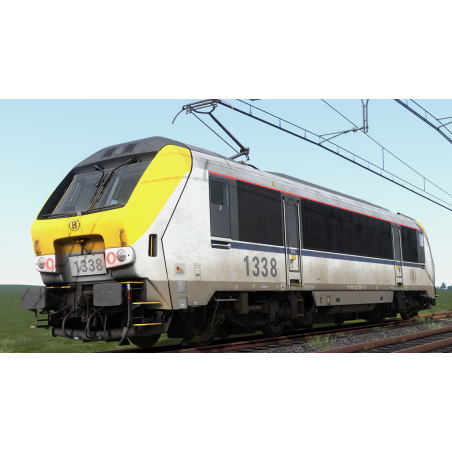
SKTRAINS HLE13 NMBS/SNCB V2
Price
€20.00
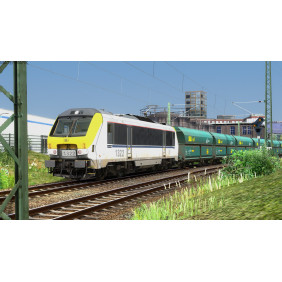
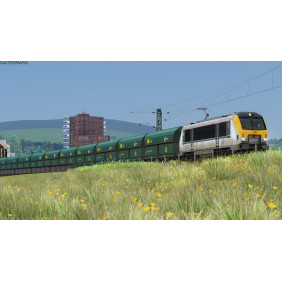
SNCB HLE 13 locomotive
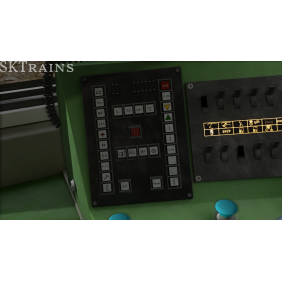
This add-on allows you to drive at a technical compliance level using the essential procedures to start and drive this locomotive.
However, you can also simplify the driving experience by deactivating the safety systems.
SKTRAINS HLD55 Blue
Price
€15.00
Take control of a type 55 diesel electric locomotive on DTG's classic train simulator with this add-on!
SKTRAINS AM80 (Bordeaux &...
Price
€20.00
The 03 series (or AM 80) EMU, more often called Break, are triple railcars of the SNCB.
They can run at a maximum speed of 160 km/h, are single-voltage (3000 V) and have a good acceleration and deceleration capacity thanks to their greater power than the previous series.
The AM 80 were given the nickname "Break", partly because their design was radically different from what the SNCB had known until then.
- -€8.00
- Out-of-Stock
SKTRAINS Pack 1
Price
€37.00
Regular price
€45.00
-€8.00
This pack contains a set of coaches and a locomotive from the 2000s.
Contents of the pack:
- HLE 13
- HV(R) I11
- HV(R) M6
This pack contains 2 electic motor unit and a livery pack.
Contents of the pack:
- AM96
- AM96 livery pack
- AM86